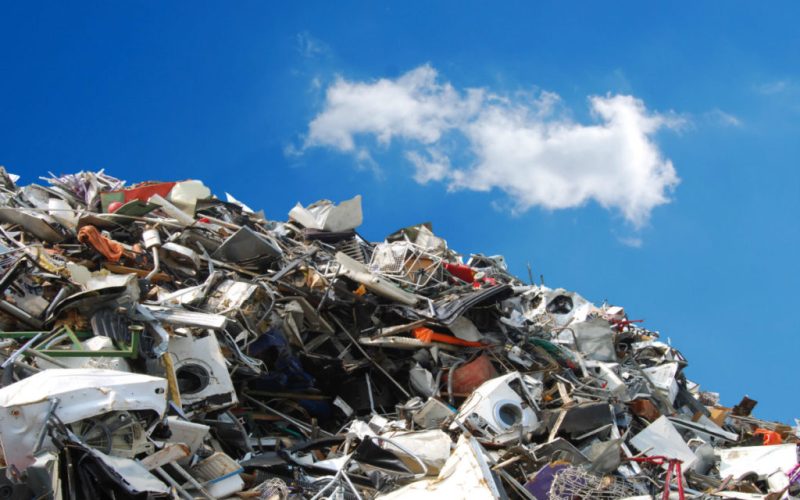
Modern businesses are increasingly dependent on digital infrastructure, which naturally leads to the continuous generation of outdated IT equipment such as servers, laptops, storage devices, networking hardware, and peripherals. As organizations upgrade systems to improve performance and security, large volumes of electronic waste accumulate, requiring safe, compliant, and environmentally responsible disposal methods. This has made structured recycling systems an essential part of corporate sustainability strategies.
In this evolving industrial landscape, e waste IT recycling in bulk solutions have become a critical requirement for enterprises that need secure data destruction, efficient material recovery, and environmentally safe disposal of electronic assets while managing large-scale IT asset turnover.
Understanding Large-Scale IT Scrap Processing in Modern Industries
Bulk IT scrap management is no longer just about disposal; it is a structured process involving collection, segregation, data security, material recovery, and environmental compliance. Businesses now treat electronic waste as a recoverable resource rather than just discarded hardware.
1. Corporate IT Asset Decommissioning Process
Large organizations regularly decommission outdated IT systems during upgrades or infrastructure changes. This process involves identifying usable, reusable, and non-functional equipment. Proper decommissioning ensures that hardware is safely removed from operations without disrupting business continuity or exposing sensitive data.
2. Secure Data Destruction Before Recycling
Data security is one of the most important aspects of IT scrap handling. Before recycling begins, all storage devices undergo certified data wiping or physical destruction. This ensures that confidential business information, customer records, and operational data cannot be recovered or misused.
3. Segregation of Electronic Components
Once devices are collected, they are separated into categories such as metals, plastics, circuit boards, batteries, and reusable components. This segregation process improves recycling efficiency and ensures that valuable materials are properly recovered and processed.
4. Recovery of Valuable Raw Materials
IT scrap contains valuable materials such as copper, aluminum, gold, and rare metals used in electronic components. Recycling facilities extract and refine these materials so they can be reused in manufacturing industries, reducing the need for new raw resource extraction.
5. Environmentally Safe Disposal Practices
Non-recoverable electronic waste is disposed of using environmentally safe methods that comply with regulatory standards. This prevents hazardous substances such as lead, mercury, and chemical residues from harming the environment.
6. Compliance with Global E-Waste Regulations
Businesses must comply with strict environmental regulations governing electronic waste disposal. Certified recycling partners ensure that all processes meet legal standards, reducing corporate liability and supporting sustainability goals.
Why Bulk IT Scrap Recycling Is Essential for Businesses
With rapid technological advancement, businesses frequently upgrade their IT infrastructure, resulting in large volumes of outdated electronic equipment. Without proper recycling systems, this waste can create environmental risks and security vulnerabilities.
In this context, e-waste IT recycling in bulk solutions helps organizations manage large-scale electronic disposal efficiently while maintaining compliance, data protection, and environmental responsibility.
1. Protecting Sensitive Corporate Data
Secure recycling ensures that all stored information is permanently destroyed, reducing the risk of data leaks or cyber misuse.
2. Supporting Environmental Sustainability Goals
Recycling reduces electronic waste in landfills and promotes responsible reuse of valuable materials, supporting global sustainability initiatives.
3. Reducing Storage and Operational Costs
Unused IT equipment takes up valuable storage space and increases maintenance overhead. Recycling helps free up resources and reduce costs.
4. Improving Corporate Compliance Standards
Proper recycling ensures compliance with environmental and data protection regulations, helping businesses avoid legal penalties.
5. Enhancing Resource Efficiency
Recovered materials can be reused in manufacturing, reducing dependency on raw material extraction and improving resource efficiency.
6. Strengthening Corporate Reputation
Companies that adopt responsible recycling practices build stronger reputations as environmentally conscious and socially responsible organizations.
Role of Technology in Modern E-Waste Recycling Systems
Advanced recycling facilities now use automation, AI sorting systems, and precision machinery to significantly improve efficiency in material recovery. These technologies help identify different materials faster, separate complex electronic components more accurately, and reduce human error in sorting processes that traditionally slowed down recycling operations. As a result, recovery rates for valuable metals and reusable parts have improved while overall processing time has decreased.
Digital tracking systems also allow businesses to monitor the entire recycling lifecycle from collection to final processing, ensuring transparency and accountability at every stage of disposal. These systems provide real-time updates, audit trails, and compliance documentation, helping organizations meet regulatory requirements while maintaining full visibility over how their electronic waste is handled and processed.
Corporate Benefits of Structured IT Scrap Management
Businesses adopting structured recycling systems experience multiple operational and strategic benefits beyond environmental compliance.
1. Improved Asset Lifecycle Management
Companies gain better visibility over IT asset usage, upgrades, and disposal cycles.
2. Enhanced Data Protection Systems
Secure recycling minimizes risks associated with data leaks from outdated hardware.
3. Cost Recovery Through Material Value
Recovered materials can generate financial returns through resale or industrial reuse.
4. Reduced Environmental Impact
Proper recycling significantly reduces e-waste pollution and supports eco-friendly operations.
5. Stronger ESG Compliance Reporting
Businesses can improve Environmental, Social, and Governance reporting with certified recycling data.
6. Sustainable Business Growth Support
Recycling aligns with long-term sustainability strategies and responsible resource utilization.
Future Trends in the IT Scrap Recycling Industry
The e-waste recycling industry is rapidly evolving with increased focus on automation, circular economy models, and advanced material recovery technologies. Future systems will emphasize zero-waste targets, improved sorting precision, and significantly higher recovery rates of rare and valuable materials such as gold, copper, and other critical elements found in electronic waste. These advancements are also driving innovation in sustainable manufacturing and resource reuse across multiple industries.
As industries continue digital transformation, IT scrap volumes will increase at a faster pace, making efficient recycling solutions more critical than ever. Organizations will need more structured, technology-driven recycling partners to handle growing waste streams responsibly while ensuring compliance, reducing environmental impact, and supporting long-term sustainability goals in an increasingly digital economy.
Conclusion
Efficient IT scrap management is no longer optional for modern enterprises; it is a necessity for security, sustainability, and operational efficiency. Structured recycling systems ensure safe disposal, resource recovery, and regulatory compliance while supporting environmental responsibility, especially when working with an experienced IT scrap purchaser in Dubai ecosystem.
For businesses seeking professional recycling solutions, E-Waste IT Recycling delivers reliable, secure, and fully managed services for electronic waste handling. Their process covers safe collection, responsible dismantling, certified data destruction, and efficient material recovery, helping organizations reduce risk, improve compliance, and maximize value from end-of-life IT assets while maintaining strong environmental responsibility standards.